
Ledger.com/Start® | Getting started® — Ledger Support
Explore Ledger.com/start for a practical overview of Ledger hardware wallet setup, device configuration, Ledger Live access, and important security practices for new users.
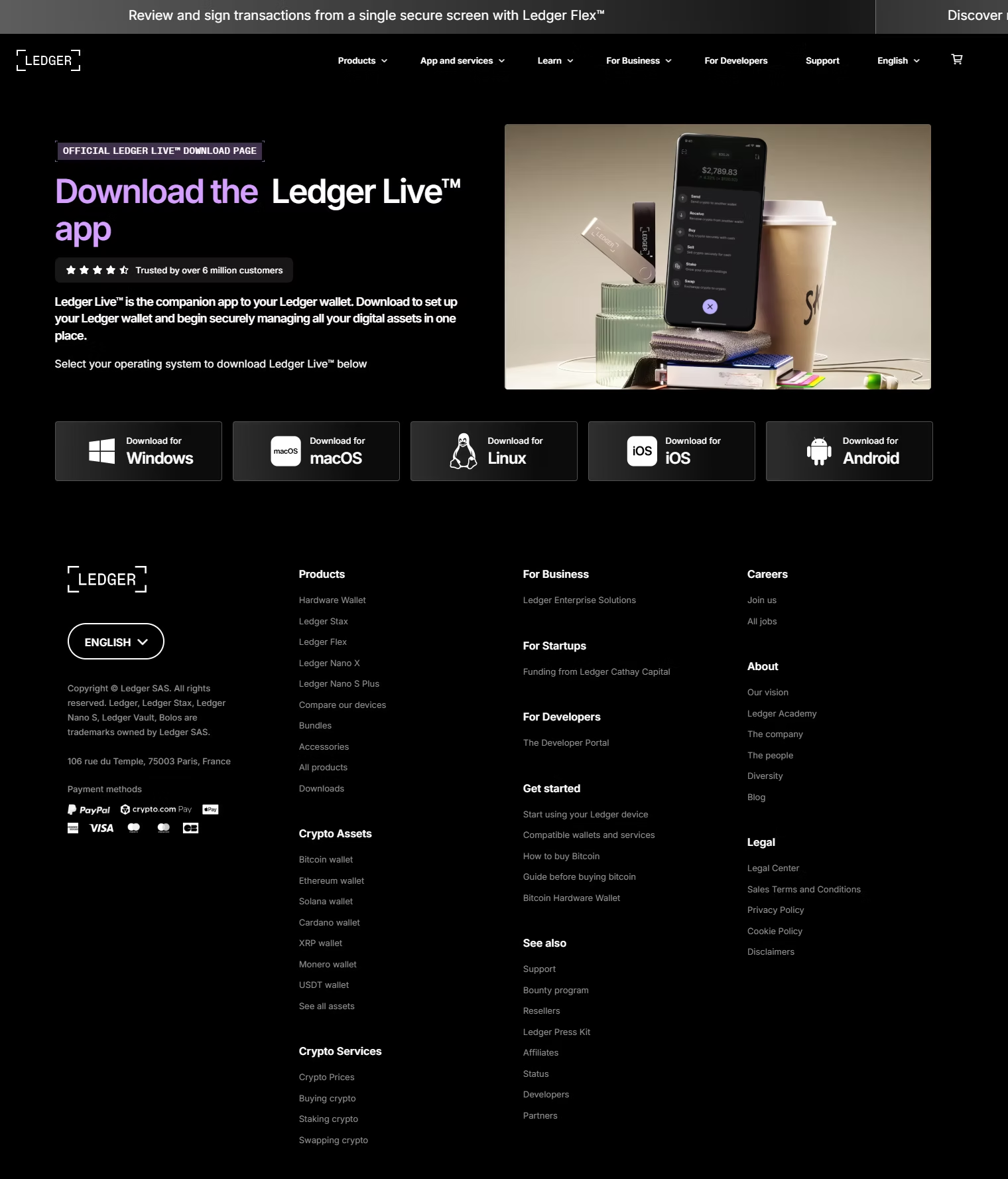
Ledger.com/start: Complete Guide to Setting Up and Securing Your Ledger Wallet
Getting started with a hardware wallet can feel complicated when you are using one for the first time. Ledger.com/start provides a starting point for users who want to initialize a Ledger device, connect the appropriate wallet software, and begin managing supported crypto assets with stronger control over their private keys.
A successful Ledger wallet setup is about more than connecting a device. Users should understand how the hardware wallet works, how recovery information must be protected, how transactions are confirmed, and how to recognize common online threats.
This guide explains the Ledger.com/start experience in a simple and practical way so beginners can understand the important stages of Ledger wallet setup.
What Is Ledger.com/start?
Ledger.com/start is the starting point for Ledger device onboarding. It helps users access the resources needed to begin configuring their hardware wallet and connecting it with Ledger's wallet-management software.
During setup, users may need to initialize their device, establish device security, create a recovery backup, and connect the wallet to the appropriate software environment.
Because cryptocurrency security depends heavily on protecting wallet credentials, it is important to approach every stage carefully. Always make sure that you are using legitimate Ledger resources rather than links supplied by unknown websites or messages.
Why a Ledger Hardware Wallet Matters
A hardware wallet provides a dedicated physical device for protecting the private keys associated with cryptocurrency accounts. Instead of keeping sensitive key information directly accessible through a normal computer, the hardware wallet is designed to keep those keys protected within the device.
This can provide an additional layer of security when compared with relying solely on a software wallet.
The hardware wallet can also require physical confirmation before certain transactions are authorized. This gives users an opportunity to inspect important transaction information before approving an action.
However, hardware-wallet security is not automatic. Users still need to protect their recovery information, avoid phishing websites, and verify transactions carefully.
Preparing for Ledger Wallet Setup
Before visiting Ledger.com/start, make sure you have your Ledger device available and a trusted computer or mobile environment suitable for the setup process.
Avoid downloading wallet software from unofficial websites. Search results, advertisements, emails, and social media posts can sometimes lead to websites that imitate legitimate cryptocurrency services.
Take your time during setup. Do not allow another person to guide the process remotely unless you are certain that the source is legitimate.
It is also a good idea to complete the initial configuration in a private environment where nobody else can see sensitive information displayed by your device.
Connecting Your Ledger Device
After accessing the appropriate Ledger setup resources, connect the hardware wallet and follow the instructions provided for your particular device.
The setup process can vary depending on the model and current software version, so follow the instructions shown for your device instead of relying entirely on an old online tutorial.
Pay attention to messages displayed directly on the hardware wallet. When the device asks you to confirm an action, review the information before approving it.
This habit is particularly important when you eventually begin signing cryptocurrency transactions.
Creating and Protecting the Recovery Backup
The recovery backup is one of the most important parts of Ledger wallet setup.
During initialization, your device may generate recovery information that can be used to restore access to the wallet if the original device is lost, damaged, or replaced.
Treat this information as highly confidential.
Write it down using the method recommended during setup and store it somewhere secure and private. Do not take a screenshot of it, send it through email, store it in a messaging application, or upload it to cloud storage.
Most importantly, never share your recovery phrase with anyone.
A person who obtains your recovery information may be able to access the associated cryptocurrency. This is why a legitimate support representative should never need you to reveal your recovery phrase.
Setting Up Device Security
After creating the recovery backup, establish the security settings required by your Ledger device.
Choose a device access code or PIN that is not obvious and should not be shared with anyone.
Physical protection is important as well. Keep the hardware wallet in a secure location when you are not using it.
Remember that the device and recovery backup have different security roles. The physical device protects access during everyday use, while the recovery information can potentially restore the wallet elsewhere.
Managing Crypto With Ledger Software
After the initial Ledger.com/start process is complete, the wallet can be connected with compatible Ledger software for everyday account management.
The software provides a convenient interface for viewing accounts, checking balances, receiving assets, preparing transactions, and performing other supported wallet functions.
The desktop experience can be particularly useful for users who manage several accounts because a larger screen makes it easier to review account information.
The software should be viewed as the management interface rather than a replacement for the hardware wallet. Sensitive operations can still require confirmation through the physical device.
Receiving Cryptocurrency
Receiving cryptocurrency may appear simple, but it still requires careful verification.
Before giving someone a wallet address, make sure the address belongs to the correct account and corresponds to the cryptocurrency and network you intend to use.
For significant transfers, checking the address more than once is worthwhile.
A small test transaction can also be useful in situations where you are unfamiliar with the recipient or network. Once the transfer has been confirmed, verify that the funds have arrived in the intended account.
Sending Cryptocurrency Safely
Sending crypto requires additional attention because a transaction may be difficult or impossible to reverse after confirmation.
Before approving a transaction, review the recipient address, cryptocurrency, amount, network, and applicable transaction fee.
When your Ledger device displays transaction information for confirmation, check those details carefully on the device itself.
Never approve an unexpected transaction simply because the computer screen appears normal.
If the information displayed on the device does not match what you intended to send, stop the process and investigate before continuing.
Avoiding Phishing and Fake Ledger Websites
One of the biggest risks surrounding cryptocurrency wallets is phishing.
A fake website can imitate a legitimate Ledger page and attempt to convince users to enter their recovery phrase, PIN, password, or other sensitive information.
Be especially cautious about messages claiming that your wallet has been suspended, your account needs urgent verification, or your funds are at risk unless you act immediately.
Instead of clicking an unexpected link, navigate to the legitimate Ledger website yourself.
Never enter your recovery phrase into a website simply because the page claims that it is required for verification, synchronization, security checks, or technical support.
Keeping Ledger Software Updated
Keeping your wallet software and hardware environment current can help maintain compatibility and access to improvements provided by Ledger.
Before performing an update, make sure you understand what you are installing and obtain the update through trusted Ledger resources.
It is also wise to ensure that your recovery backup is safely available before making significant changes to your device.
Never interrupt an update unnecessarily and never install software obtained from an unknown source.
Common Ledger.com/start Mistakes
Beginners can make several avoidable mistakes during wallet setup.
One common error is rushing through the recovery-backup stage without making sure the information has been recorded correctly.
Another is storing recovery information digitally where malware or unauthorized users might access it.
Downloading fake wallet applications is another major risk. A professional-looking website does not necessarily mean that the software is legitimate.
Users should also avoid sharing their recovery phrase with friends, online contacts, supposed support representatives, or anyone promising to recover lost cryptocurrency.
Building Good Ledger Security Habits
Secure wallet management should continue after the initial setup.
Regularly check that your recovery backup remains protected and readable. Keep your hardware device in a secure place and use only trusted wallet software.
When receiving cryptocurrency, verify addresses and networks. When sending funds, review transaction information carefully before approving it on your hardware wallet.
Most importantly, slow down when something feels unusual. Cryptocurrency scams often depend on urgency, fear, and confusion.
Final Thoughts
Ledger.com/start is an important starting point for users who want to configure a Ledger hardware wallet and begin managing cryptocurrency more securely.
The setup process involves several important steps, including connecting the device, creating a recovery backup, configuring security settings, installing or accessing compatible wallet software, and learning how to verify transactions.
The strongest wallet security comes from combining the technology with good personal habits. Protect your recovery information, use trusted Ledger resources, verify transactions on the hardware device, and remain cautious about unexpected messages or websites.
With a careful approach to Ledger wallet setup, beginners can create a solid foundation for managing their cryptocurrency while maintaining greater control over their digital assets.
Updated about 5 hours ago