
Ledger.com/Start® | Getting started — Ledger®
Ledger.com/start helps users understand the Ledger hardware wallet setup process, including device initialization, Ledger Live access, account creation, recovery security, and transaction preparation.
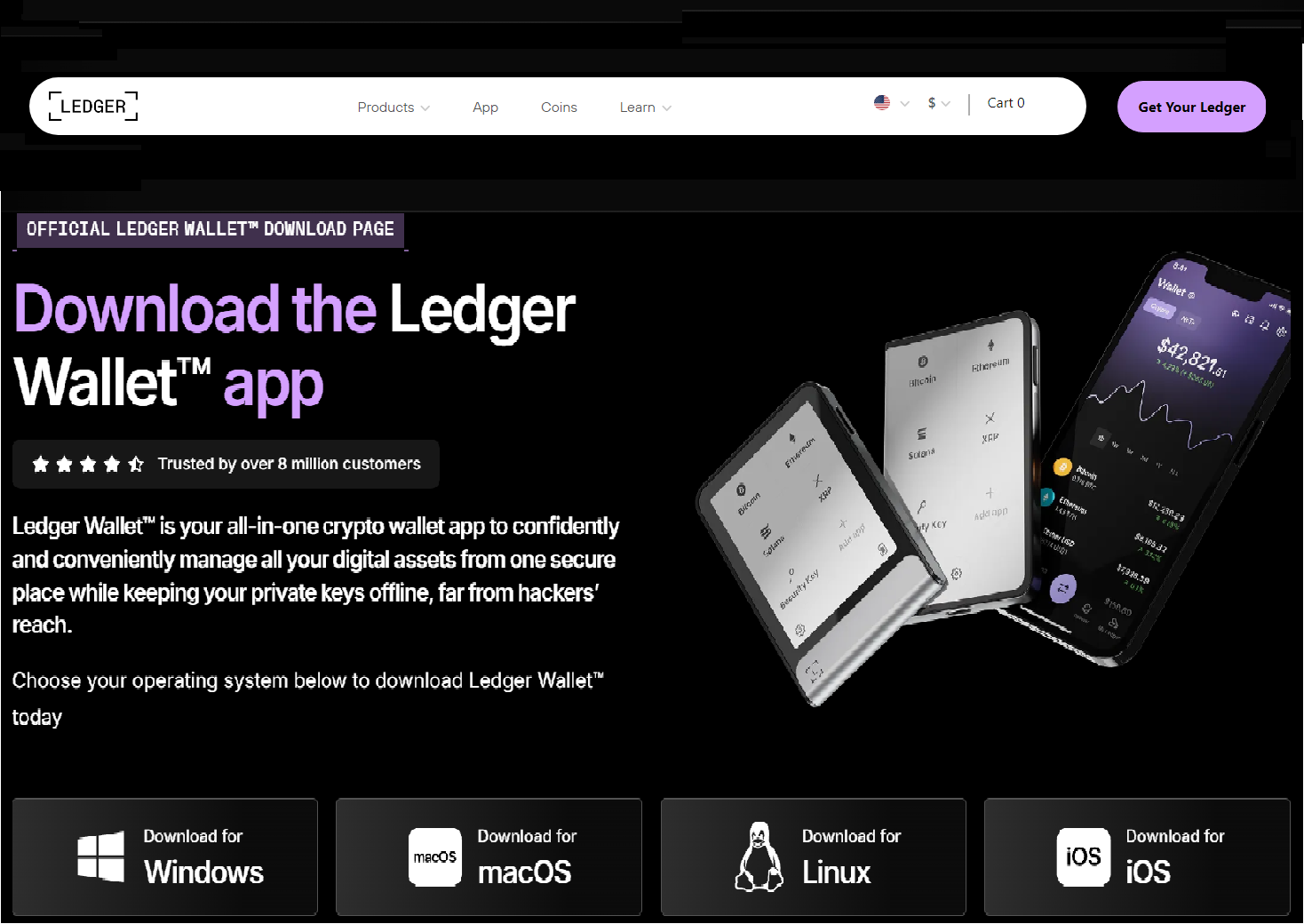
Ledger.com/start: A Practical Guide to Ledger Wallet Setup and Security
Setting up a hardware wallet for the first time can feel unfamiliar, especially when you need to understand wallet software, device security, recovery information, and cryptocurrency transactions at the same time. Ledger.com/start provides a useful starting point for users who want to begin the Ledger wallet setup process and learn how to manage their device responsibly.
A hardware wallet is designed to give users greater control over the private keys associated with their digital assets. However, using one securely requires more than simply connecting it to a computer. Users also need to protect their recovery information, verify transactions, use trusted software, and recognize common phishing attempts.
This guide explains the main stages of Ledger wallet setup and provides practical information for users who are beginning with Ledger.com/start.
What Is Ledger.com/start?
Ledger.com/start is associated with the initial setup and onboarding process for Ledger hardware wallets. It helps users access the resources needed to prepare their device and connect it with compatible wallet software.
The setup experience can involve several stages, including connecting the device, establishing device security, creating a recovery backup, and preparing the wallet for cryptocurrency management.
Because cryptocurrency transactions involve valuable digital assets, every stage should be completed carefully. Users should always make sure they are accessing legitimate Ledger resources and should avoid following unexpected links from unknown sources.
Understanding How a Ledger Wallet Works
A Ledger hardware wallet provides a dedicated device for protecting the private keys used to authorize cryptocurrency transactions.
The wallet software installed or accessed on a computer or mobile device acts as the management interface. It can display accounts, balances, transaction information, and other supported wallet functions.
The hardware wallet has a different role. It is designed to protect sensitive key information and provide a physical method for approving important operations.
This separation can provide an additional layer of protection, but it does not remove the need for safe computing habits. A user can still encounter phishing websites, fake applications, malicious software, and fraudulent support messages.
Preparing for Ledger Wallet Setup
Before beginning the Ledger.com/start process, prepare the hardware wallet and use a trusted computer or mobile device.
Avoid downloading wallet applications from websites that you do not recognize. Search advertisements, social media messages, emails, and online posts can sometimes direct users toward websites that imitate legitimate cryptocurrency services.
It is also helpful to perform the initial setup in a private environment. Sensitive information displayed during wallet initialization should not be visible to other people.
Take your time throughout the process. Rushing through security-related steps can lead to mistakes that become difficult to correct later.
Connecting and Initializing the Device
Once you access the appropriate Ledger resources, connect your hardware wallet and follow the instructions provided for your device.
Different Ledger models and software versions may have different onboarding steps, so users should follow the current instructions presented for their specific device.
Pay attention to information displayed directly on the hardware wallet. When the device asks you to confirm an action, review the information carefully instead of automatically approving it.
This verification habit becomes especially valuable when you begin sending cryptocurrency.
Creating a Secure Recovery Backup
The recovery backup is one of the most important parts of Ledger wallet setup.
During initialization, the device can provide recovery information that may be used to restore access to the wallet if the original hardware device is lost, damaged, or replaced.
This information should be treated as extremely sensitive.
Record it using the recommended method and keep the backup in a secure location that only you can access. Avoid taking photographs or screenshots of recovery information, and do not save it in ordinary cloud storage, email accounts, or messaging applications.
Never share your recovery information with another person.
Anyone who obtains the recovery credentials may potentially gain control of the associated wallet. For this reason, requests for recovery information should always be treated as a serious security warning.
Protecting Your Ledger Device
After the initial setup, protect the hardware wallet itself.
Use the device security features provided during initialization and select credentials that are difficult for other people to guess. Do not disclose them to friends, online contacts, or supposed support representatives.
Physical security is also important. Store the device somewhere secure when it is not being used.
Keep in mind that protecting the hardware device and protecting the recovery backup are separate responsibilities. Someone who gains access to your recovery information may not need physical possession of the original device to compromise the wallet.
Using Ledger Wallet Software
Once the hardware wallet is initialized, compatible Ledger software can provide an interface for managing supported cryptocurrency accounts.
Users may be able to view balances, review account activity, receive cryptocurrency, prepare transactions, and access other available wallet features.
A desktop environment can be particularly convenient for people managing several accounts because account information and transaction details can be easier to review on a larger screen.
The software should not be confused with the hardware wallet itself. The software provides the interface for interacting with the wallet, while the physical device plays an important role in protecting private keys and authorizing sensitive operations.
Receiving Cryptocurrency
Receiving cryptocurrency still requires careful attention.
Before providing a receiving address to another person or service, verify that the address belongs to the correct account and that the cryptocurrency network is appropriate.
For larger transfers, consider confirming the address carefully before sharing it. If you are unfamiliar with a particular transfer process, a small test transaction may provide additional confidence before sending a larger amount.
Once funds have been transferred, verify the transaction through the appropriate wallet interface.
Sending Cryptocurrency Securely
Sending cryptocurrency requires even greater attention because blockchain transactions may be difficult or impossible to reverse.
Before approving a transaction, review the recipient address, asset, amount, network, and applicable fee.
When the transaction details appear on the Ledger hardware wallet, compare them with what you intended to send. Do not approve the transaction simply because the information displayed on the computer looks correct.
If the hardware device shows unexpected information, stop the transaction and investigate before continuing.
This simple verification step can help reduce the risk of approving a transaction that was modified or initiated by malicious software.
Avoiding Fake Ledger Websites
Phishing is one of the most common threats cryptocurrency users encounter.
A fraudulent website may imitate the appearance of a legitimate Ledger page and attempt to persuade users to provide sensitive information. Messages may claim that a wallet needs verification, an account has been suspended, or funds are at risk.
Treat unexpected warnings with caution.
Instead of clicking links in suspicious messages, navigate to the official Ledger website yourself. Never enter your recovery phrase into a website because someone claims it is necessary for verification, synchronization, technical support, or account restoration.
Legitimate security practices should never require you to casually disclose your recovery information.
Keeping Your Wallet Environment Updated
Keeping wallet software and compatible device software current can help maintain a reliable wallet-management environment.
Before installing an update, confirm that the software comes from a legitimate Ledger source. Avoid downloading update files from random websites or links sent through private messages.
It is also sensible to ensure that your recovery backup remains safely stored before making important changes to the wallet environment.
Do not interrupt an update unnecessarily, and carefully follow the instructions provided for your device.
Common Ledger Setup Mistakes
Several mistakes can make an otherwise secure hardware wallet less effective.
One mistake is rushing through the recovery-backup process without making sure the information has been recorded correctly.
Another is storing the recovery phrase digitally where malware, unauthorized users, or compromised accounts could expose it.
Installing fake wallet software is another major risk. A fraudulent application can look convincing while attempting to capture sensitive information.
Users should also be cautious about unexpected support requests. Anyone asking for a recovery phrase, PIN, or other confidential wallet information should be treated as suspicious.
Building Better Ledger Security Habits
Wallet security should continue long after the Ledger.com/start setup is finished.
Keep your recovery backup private and protected. Store your hardware wallet securely. Use trusted software and verify website addresses before entering sensitive information.
When receiving cryptocurrency, check the address and network. When sending funds, carefully review the transaction on the hardware device before confirming it.
Most importantly, avoid making rushed decisions. Scammers often use urgency and fear to encourage users to bypass normal security checks.
Final Thoughts
Ledger.com/start can serve as an important starting point for users preparing a Ledger hardware wallet. The setup process involves more than connecting a device; it also requires careful handling of recovery information, device credentials, wallet software, and cryptocurrency transactions.
A secure wallet experience depends on both technology and user behavior. Protect your recovery backup, use trusted Ledger resources, verify transactions carefully, and remain cautious about unexpected messages or websites.
By developing these habits from the beginning, users can create a stronger foundation for managing cryptocurrency and using their Ledger hardware wallet with greater confidence.
Updated about 5 hours ago